
Drive with Confidence
Not Complacency
Master the essential skills and preparations needed to navigate snow and ice safely. This guide could save your life.
Essential Pre-Drive Checklist
Complete these 8 critical checks before starting your engine. Preparation is your first defense.
Tire Inspection
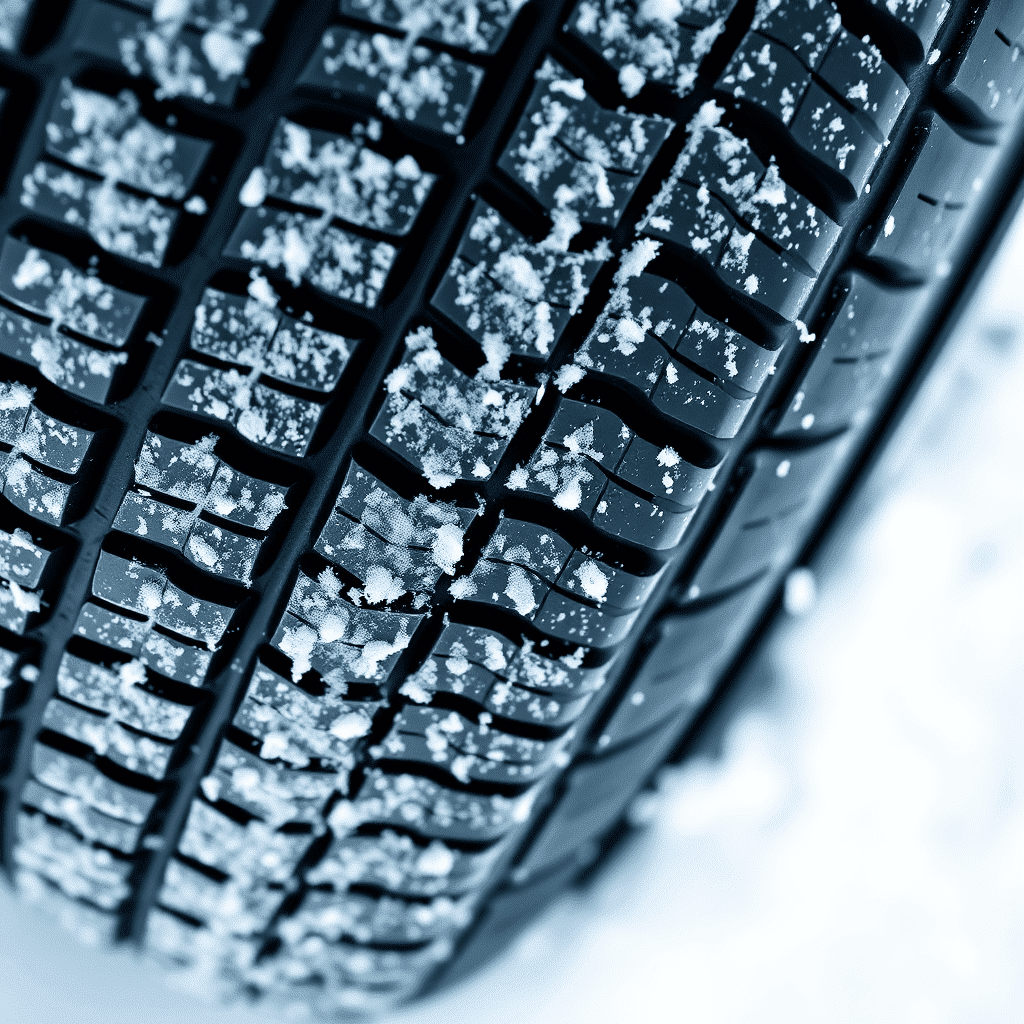
Check tread depth (≥6/32″ for snow). Verify tire pressure is at manufacturer’s recommendation.
Visibility Clearance
Remove ALL snow/ice from windows, mirrors, lights, and roof. Full 360° visibility required.
Emergency Kit
Blankets, flashlight, shovel, sand/cat litter, jumper cables, first aid, non-perishable food.
Fluid Levels
Windshield washer fluid (winter formula), antifreeze, oil, brake fluid. Keep gas tank ≥½ full.
Tire Technology: Winter vs All-Season
Winter tires provide up to 50% more traction on ice and snow. Understand the difference.
Softer rubber compounds remain flexible below 45°F. Deep treads and biting edges grip ice.
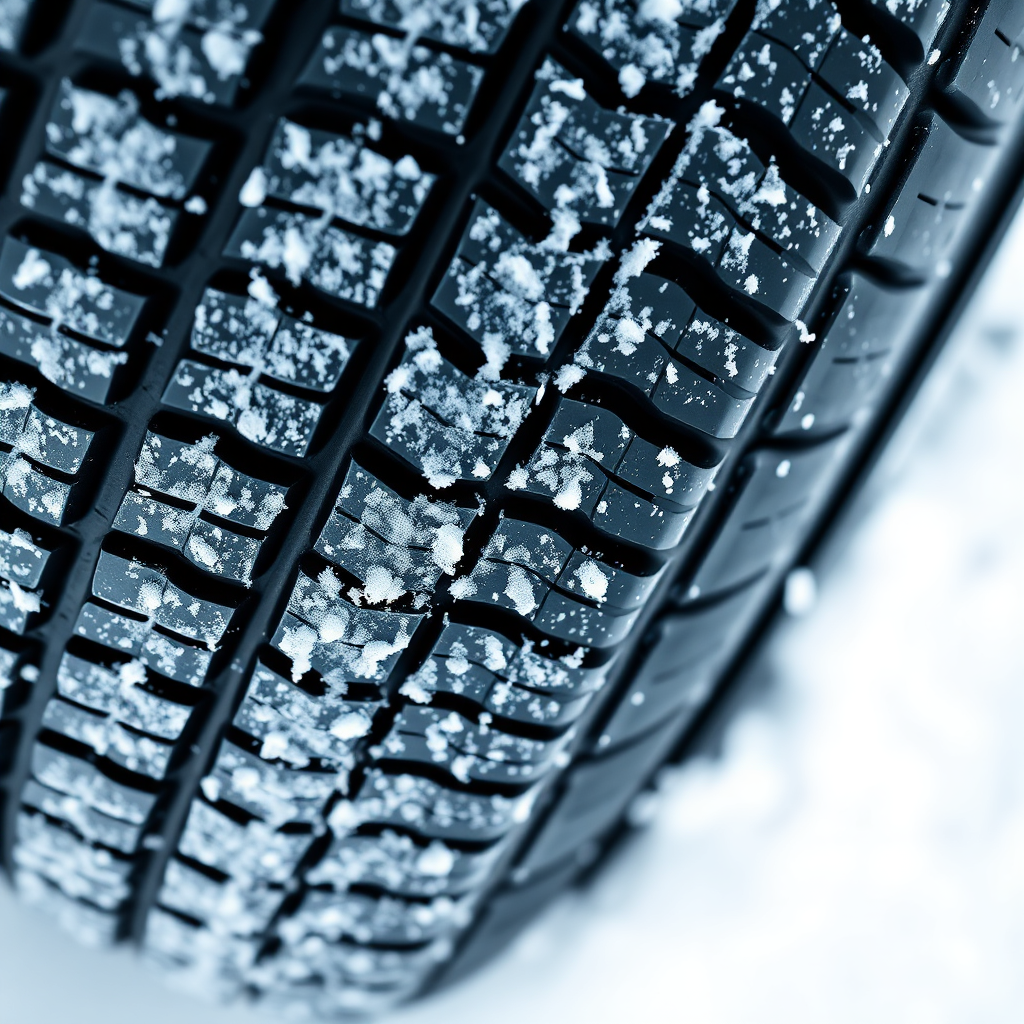
Harder in cold temperatures. Tread patterns not designed for snow evacuation or ice grip.

Essential Winter Equipment
Snow Chains
For deep snow/mountains
LED Flares
Visibility if stranded
Portable Charger
Keep phone powered
Ice Scraper
With extended handle
Core Driving Techniques
Master these fundamental skills. Muscle memory saves lives when seconds count.
Smooth Inputs Are Everything
Abrupt steering, braking, or acceleration breaks traction. Imagine an egg between your foot and the pedal.
- Braking: Apply steady pressure. If ABS activates, maintain pressure—don’t pump.
- Steering: Look where you want to go, not at the obstacle. Hands at 9 and 3.
- Acceleration: Gentle throttle from stops. If wheels spin, ease off immediately.
Braking distance on ice at 30mph:
~200 feet
(vs. 75 feet on dry pavement)
Skid Recovery Drill
- 1. Look where you want to go
- 2. Steer in that direction
- 3. Wait for traction to return
- 4. Straighten wheels gently
Skid Control & Recovery
When you lose traction, instinct is wrong. Fight the urge to brake hard or overcorrect.
Front-Wheel Skid (Understeer)
Car plows straight in a turn. Solution: Ease off accelerator, gently steer toward intended path.