
WHAT IS THE #1 REASON
PEOPLE FAIL THEIR DRIVING TEST?
Millions of tests analyzed. One recurring error accounts for the majority of immediate failures.
The Verdict
OBSERVATION AT JUNCTIONS
Category: Major / Serious Fault
More than 35% of all test failures are attributed to a lack of effective observation when emerging from a junction.
The Anatomy of the Error
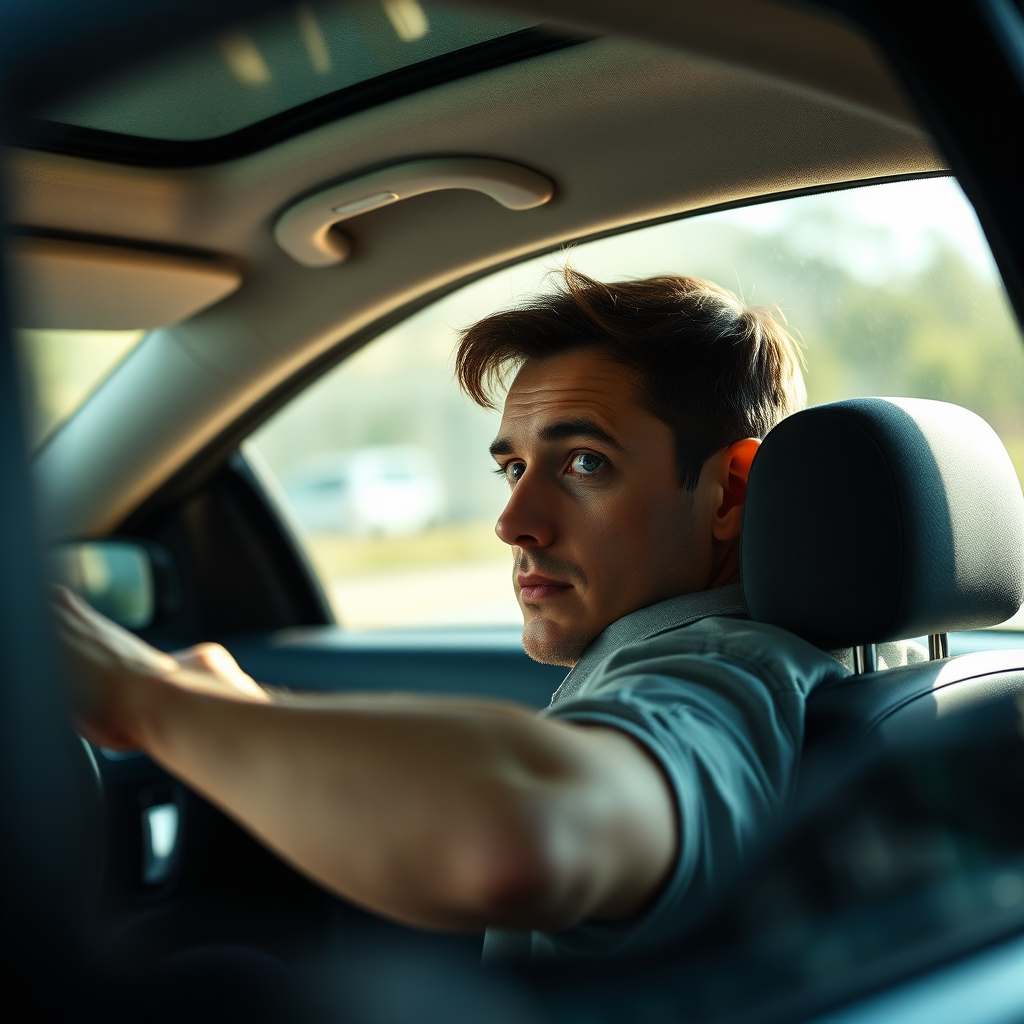
It sounds simple: look before you go. Yet, under the pressure of exam conditions, the brain often tricks drivers into “looking” without actually “seeing.”
The specific fault usually occurs when emerging from a minor road onto a major road. The driver approaches the give-way line, slows down, but makes the critical decision to pull out based on a quick glance rather than a confirmed safe gap.
The Critical Failure Point
Failing to look Right-Left-Right before crossing the line. Drivers often check right, check left, and then immediately accelerate without that final check to the right, where the fastest danger approaches.
This isn’t just about other cars. It’s about missing cyclists filtering through traffic, pedestrians stepping off curbs, or motorcyclists hidden in the A-pillar blind spot.
The Danger Zone
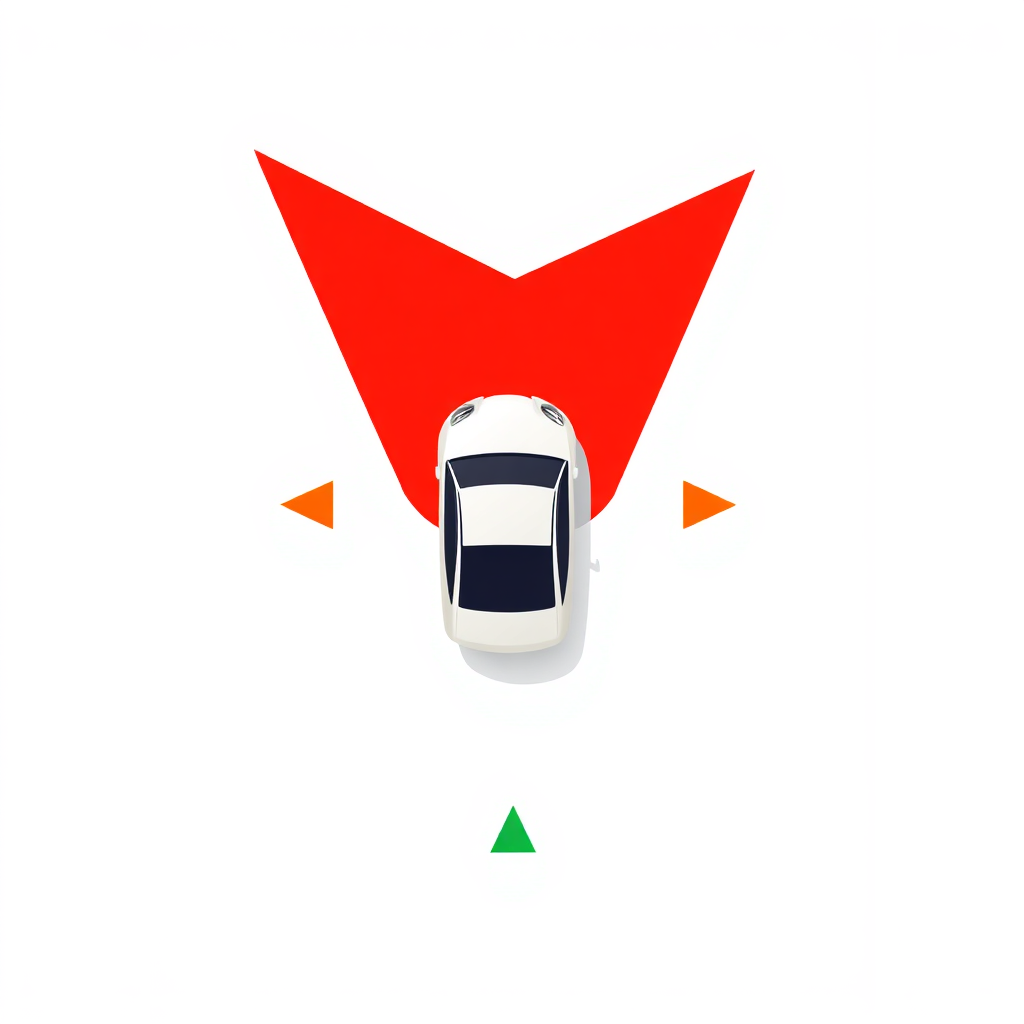
This diagram illustrates the “A-Pillar Blind Spot” and the cone of vision required. Notice how a single parked car or street furniture can obscure a vehicle travelling at 30mph.
- Red Zone: Areas completely hidden if the head remains static.
- Green Cone: The effective field of view with active head movement.
Other Common Failures
While observation is #1, these faults are close behind.
Use of Mirrors
Failure to check mirrors before signaling or changing speed. It must be a reflex action, not an afterthought.
Steering Control
Crossing arms, letting the wheel spin back uncontrolled, or mounting the curb during maneuvers.
Response to Signs
Missing speed limit changes, stop signs, or ‘no entry’ markings. Awareness is key.
The Fix: The M.S.P.S.L. Routine
Memorize this acronym. It is the gold standard for approaching any hazard or junction safely.
Mirror
Check interior and side mirrors to assess following traffic before acting.
Signal
Give a clear signal in good time to warn other road users of your intention.
Position
Adjust vehicle position (e.g., closer to the center line for right turns).
Speed
Slow down sufficiently to negotiate the turn or stop if necessary.
Look
Look Right, Left, then Right again. Proceed only when you are 100% sure.
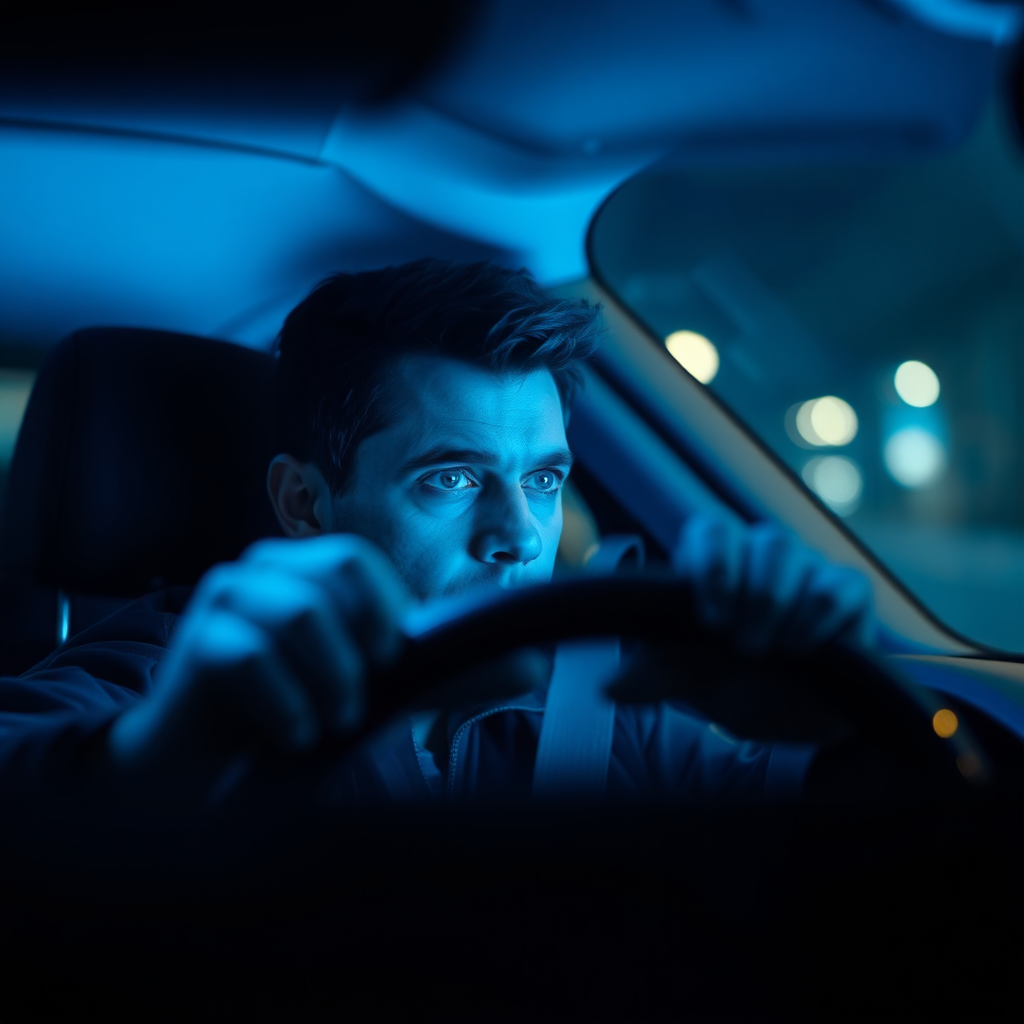
Fail
“Tunnel Vision”: Staring straight ahead, rigid neck, hoping for the best.
Pass
“Active Observation”: Head physically turning, checking blind spots, confident scanning.