
Learning Hub
Understanding UK pedestrian crossings is essential for safe driving. Learn the different types, rules, and how to approach each crossing correctly.
There are several distinct types of pedestrian crossings in the UK, each with its own rules and markings.

Identified by black and white stripes with flashing orange beacons. Pedestrians have priority once they step onto the crossing. Drivers must stop if someone is waiting.

Signal-controlled with traffic lights. Pedestrians press a button to activate the red light for traffic. A flashing amber phase allows pedestrians to finish crossing.

Similar to Pelican but with sensors that detect pedestrians and adjust the signal timing. No flashing amber phase; the lights return to green when the crossing is clear.

Designed for both pedestrians and cyclists. Cyclists can ride across without dismounting. Usually found near cycle paths and parks.

Also known as an equestrian crossing, designed for horse riders. Has higher push buttons and a separate crossing area for horses.

Usually marked with yellow zigzag lines and a 'School' warning sign. Often manned by a school crossing patrol (lollipop person) who will stop traffic with a STOP sign. Drivers must obey their signal.
When approaching crossings, watch for these key signs and markings:
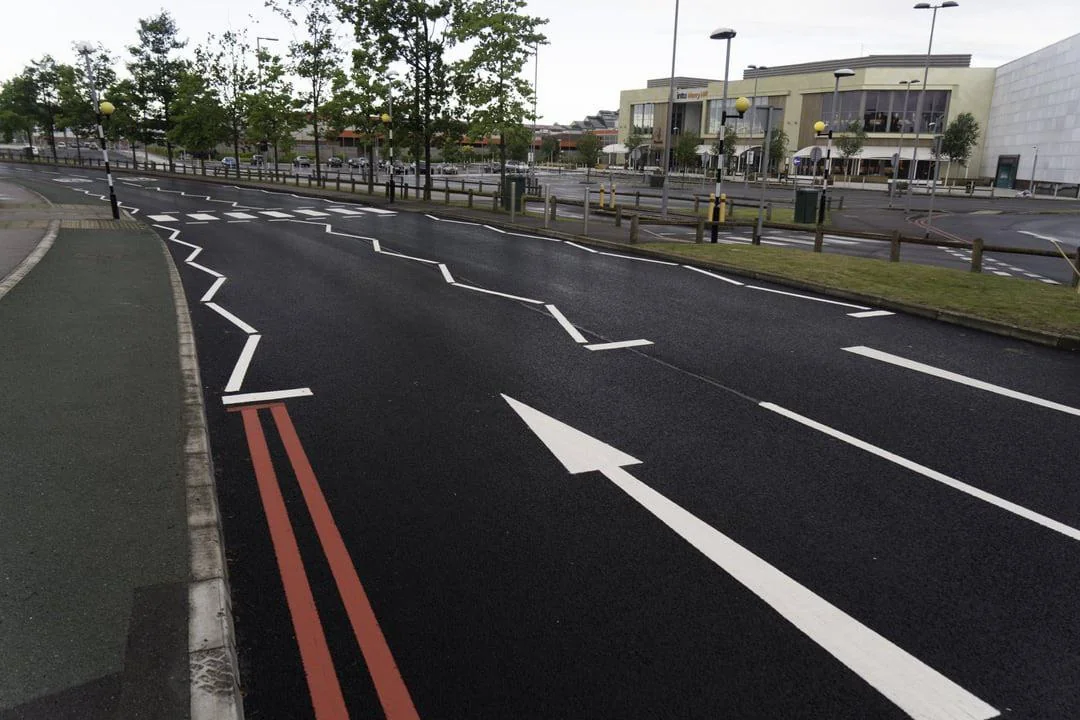
Zigzag lines

Flashing amber beacons

Warning sign

Red/green man signals
Always be prepared to stop at pedestrian crossings. Look ahead for signs, road markings, and flashing beacons. Reduce speed and be ready to give way.

You've mastered the basics of Pedestrian Crossings. Now it's time to pick up speed and learn something new.